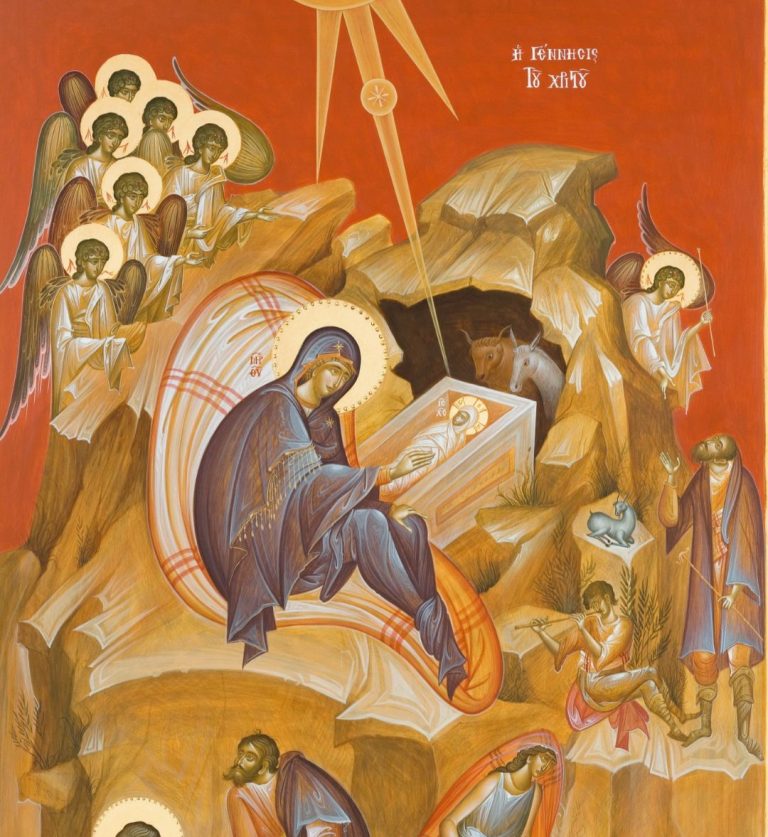
BOSTON I The Nativity Icon with George Kordis
REGISTER HERE WITH A DEPOSIT REGISTER HERE IN FULL New! 5-Day Icon Painting Residency in the BOSTON area ~ December 1 – 5, 2026 THE

REGISTER HERE WITH A DEPOSIT REGISTER HERE IN FULL New! 5-Day Icon Painting Residency in the BOSTON area ~ December 1 – 5, 2026 THE
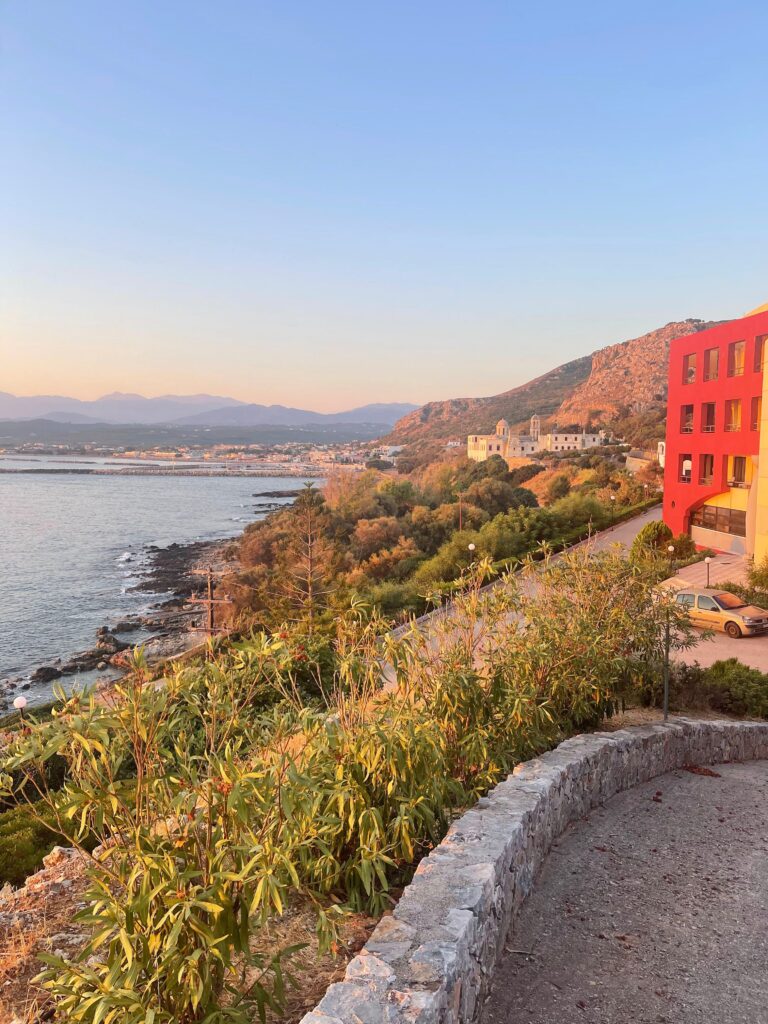
Registration NOW OPEN for August 2027 — Our 6 Year Anniversary! GEORGE KORDIS ANNUAL SUMMER ICON SCHOOL AUGUST 8 – 18th, 2027 This 10-day
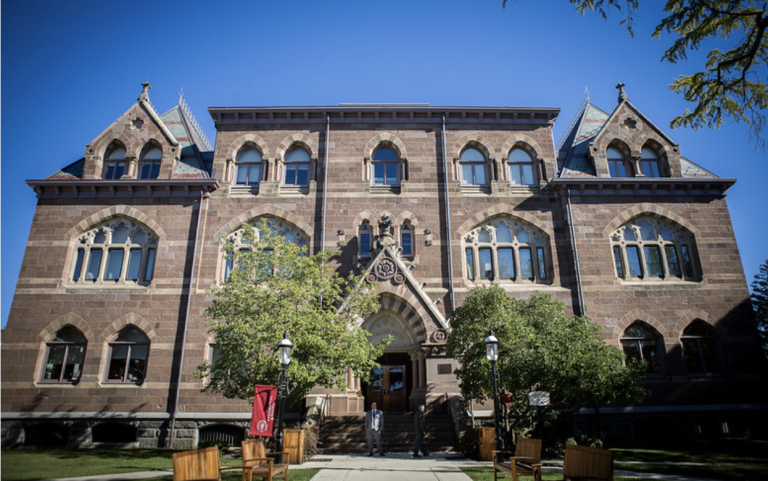
NEW FOR 2027! May 31 – June 4, 2027 Princeton, New Jersey We are delighted to announce a new residency with Dr. George Kordis at
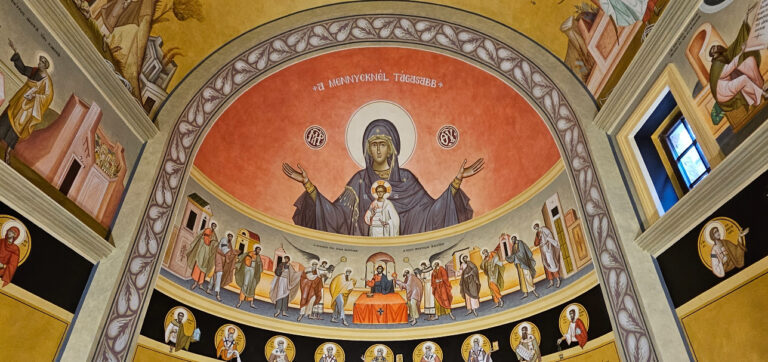
New for 2027! Now open for PRE-REGISTRATION ONLY ~ Please fill out the form below. Budapest Residency May 3 – 8, 2027 Budapest, Hungary We
NEW FOR 2027! May 31 – June 4, 2027 Princeton, New Jersey We are delighted to announce a new residency with Dr. George Kordis at
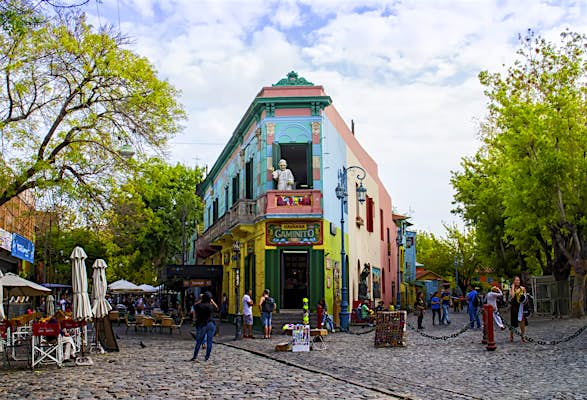
THIS RESIDENCY IS CURRENTLY GATHERING INTEREST. Please add your name to the list if you would like to consider participation at a residency in Buenos
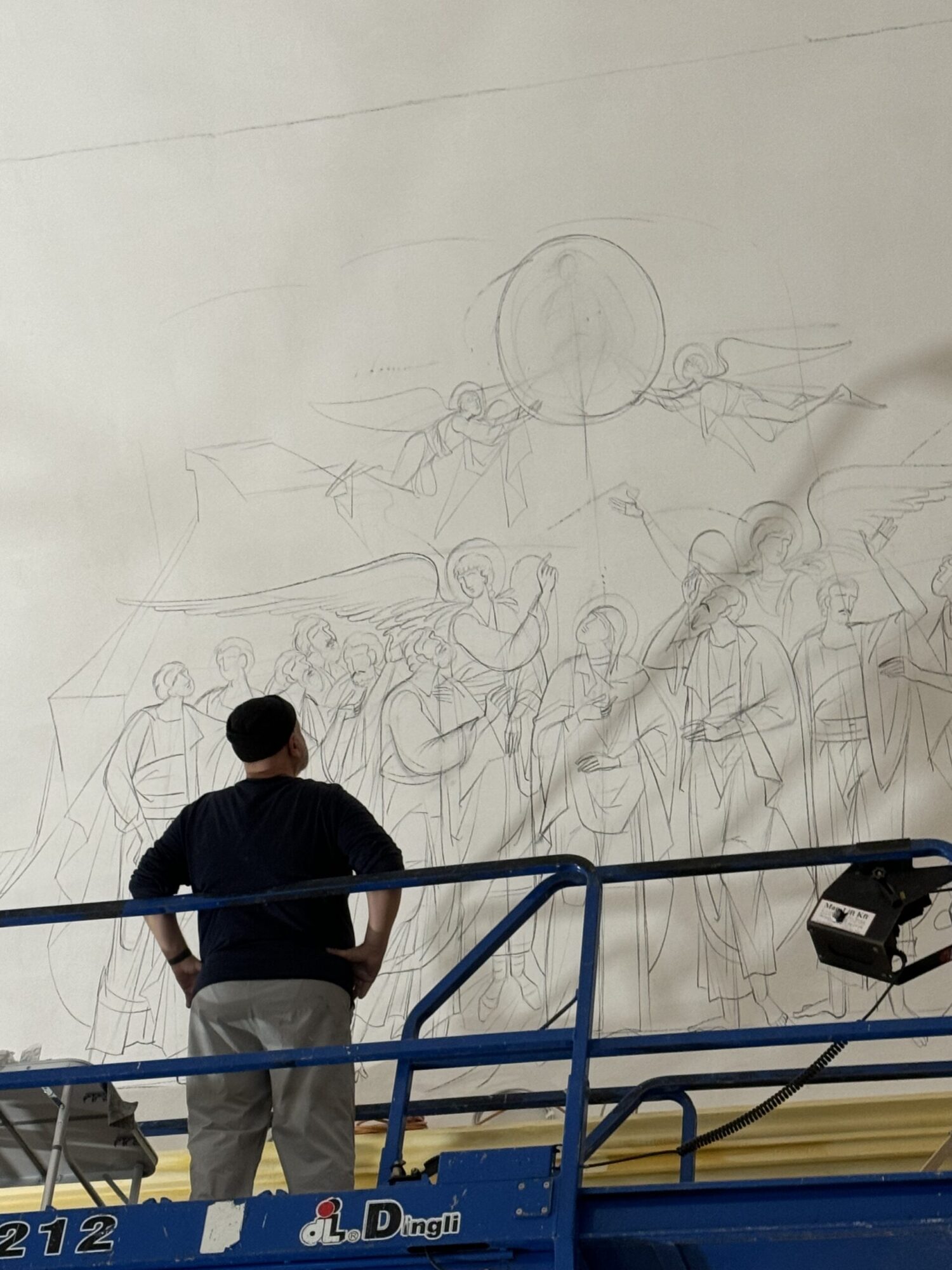
Within the broader revival of Byzantine iconography, one domain remains notably underdeveloped in contemporary practice: the discipline of ecclesiastical wall painting. While panel iconography has benefitted from renewed scholarly and artistic attention, the training necessary to sustain the large-scale visual programs that historically animated Orthodox churches has become increasingly rare. Wall painting—once central to the creation of sacred space and to the catechetical life of the Church—requires a synthesis of theological understanding, architectural awareness, and technical mastery not easily acquired through short-term study or individual experimentation.
In response to this gap in contemporary training, Writing the Light has established Sacred Space, a comprehensive Church Wall Painting Program directed by distinguished iconographer and scholar Dr. George Kordis. Beginning in Fall 2026, the new two-year certificate program seeks to address a long-standing gap by offering a structured, apprenticeship-based formation for artists who aspire to engage ecclesiastical large-scale mural work as a living tradition. The program reflects Writing the Light’s broader commitment to the systematic study of the Byzantine visual language, emphasizing continuity with historical practice while equipping artists to address the needs and realities of contemporary church communities.
Modeled on the hybrid structure of the school’s Certificate Program (now in it’s third year) in Iconography, Sacred Space combines online academic coursework with intensive short-term in-person residencies. The curriculum includes rigorous study of drawing, rhythm, and compositional logic; exploration of the theological and liturgical foundations of sacred imagery; and hands-on instruction in traditional and modern materials, including fresco, silicate, and egg tempera techniques. The faculty—comprising art historian Dr. Olga Yunak, renowned Romanian iconographer Mihai Coman, artist and wall-painter Maria Panou, and Kordis himself—brings together complementary modes of expertise, enabling students to situate practice within historical, theoretical, and ecclesial frameworks.
Although the program is grounded in the Orthodox tradition, it welcomes students from Catholic and other Christian backgrounds. In recognition of the increasing number of interdenominational commissions and the shared theological concerns that shape sacred art across traditions, Sacred Space approaches questions of church design and iconographic implementation with a sensitivity to diverse liturgical, pastoral, and architectural contexts. This ecumenical openness underscores an important premise of the program: that the Byzantine system is not merely a historical inheritance but a coherent visual language capable of addressing a range of contemporary ecclesial life.
A distinctive feature of the program is its capstone project, where students will envision a sacred space making a specific proposal for beautifying a church alongside a collective group project in which students can participate in the painting of a chapel in Greece, as well as one in the United States under faculty supervision. These culminating experiences not only integrate the technical and conceptual knowledge acquired throughout the program but introduces students to the collaborative, large-scale, and often site-specific challenges inherent in ecclesiastical commissions. Such apprenticeship is integral to Kordis’s pedagogical vision, which emphasizes formation through embodied practice rather than the replication of stylistic formulas.
Dr. George Kordis occupies a singular position in contemporary sacred art. His ecclesiastical paintings—found in churches across Europe, Asia, Australia and North America—demonstrate a mastery of the Byzantine system that is both faithful to tradition and responsive to contemporary spiritual and aesthetic questions. As a theorist, his writings on line, rhythm, and the logic of iconographic composition have significantly influenced emerging generations of artists and scholars. As an educator, his longstanding commitment to structured formation reflects a conviction that the vitality of the iconographic tradition depends on its transmission through disciplined study and apprenticeship.
According to Kordis, the need for a program like Sacred Space is both practical and theological. Practically, the Church requires artists capable of working at scale within complex architectural environments; such competence cannot be achieved without intentional preparation. Theologically, murals participate in the Church’s sacramental imagination: they configure space, articulate the communion of saints, narrate salvation history, and offer a visual theology integral to liturgical life. “To paint a church,” Kordis often notes, “is to shape the space in which the community encounters God. This demands not only technical ability but deep formation.”
To understand why Sacred Space exists—and why this form of formation is urgently needed today—it is essential to hear directly from its principal mentor.
Dr. George Kordis brings decades of international experience painting churches, shaped by close collaboration with architectural form, clergy, and worshipping communities. His vision for Sacred Space arises not from theory, but from lived experience: from the challenges he has encountered, the questions he continues to ask, and the deep conviction that tradition must be understood as a living visual language rather than a static inheritance.
In the following conversation, Dr. Kordis reflects on the necessity of a dedicated program for church wall painting today, the demands of working at monumental scale, and the formation required to serve the Church with both fidelity and creative responsibility.
What convinced you that a dedicated training program for church wall painting is necessary at this moment in the life of the Church?
Working for many years around the world, decorating and beautifying mostly Orthodox churches, I have observed a significant lack of creativity. Almost everywhere, contemporary icon writers copy old icons and transfer onto the walls of new churches the iconographic programs of historic monuments—even when the architecture is completely different.
This reality was entirely unknown during the Byzantine and post-Byzantine periods. Every church then had a unique iconographic program, carefully adjusted to the specific architectural forms of the monument.
I believe that behind today’s situation lies either a lack of knowledge or a false interpretation of what we now call tradition. Too often, icon painters understand tradition in a dogmatic and therefore static way, leading them toward repetitive copying of old icons.
Tradition, however, is a way of thinking—a tool for relating the elements of a composition so that a visual effect may be revealed, one that manifests the qualities of Paradise. Traditions are not specific forms or fixed colors, but a logic for interweaving and composing elements in order to visualize the qualities of the Kingdom of God.
For these reasons, I concluded that a program like Sacred Space would be useful for icon writers and for many people involved in ecclesiastical life—a program that assists artists in learning the logic of traditional icon painting and the principles of the Byzantine painting system. In this way, contemporary iconography can become more creative and able to continue and enrich the tradition.
With decades of experience, what do you find most challenging when designing a mural program for a church?
I believe the greatest challenge in church beautification is rendering the stories of Divine Economy on the walls in such a way that all depicted elements appear as presences—so that they truly become presences for the faithful.
This is extremely difficult to achieve. The icon writer must enter into a dialogue with the architectural forms so that a proper iconographic program can be developed—one that unifies everything and transforms the church space into a living Paradise.
How does the architecture of a church shape the decisions an artist must make when designing a mural program?
Architecture and its forms are the “canvas” for the icon writer. The artist must follow the architecture, not the opposite.
The icon writer is a servant of the architect, and at the same time must be a master of his art. This combination is not easy to achieve.
What types of valuable hands-on experiences will students have throughout the two years of formation in the Sacred Space program?
In the Sacred Space program of the Writing the Light, students will study in depth with specialists and mentors to cover the following areas:
A. Iconographic programs of historic Byzantine, Serbian, Romanian, and Russian churches
B. Large-scale and monumental drawing, both conceptually and practically
C. Decorative motifs as part of an iconographic program, including how to create new motifs rooted in traditional forms
D. Both historic and contemporary wall-painting techniques, including Buon Fresco, Casein painting, Egg Tempera, and Water-glass (Silicate) painting
E. Real-world experience painting alongside me and my colleagues in chapels around the world, engaging the everyday challenges unique to each location
Will the program include guidance on the practical aspects of working professionally—such as commissions, contracts, budgeting, and collaboration with clergy?
Yes, this is an essential part of the education we provide. Participants will learn how to budget, how to submit proposals, how to create maquettes for presentation, and how to discuss all practical aspects necessary for a sustainable professional practice.
What is the ideal type of student for this program? What traits are most conducive to this kind of demanding work?
There is no ideal student. There should be an understanding that wall painting is more physically demanding than easel painting, but what students truly need is a love for icon painting and a deep commitment to the work.
What do you see as the greatest challenges facing church painters today, and how does the program prepare students to meet them?
We prepare our students to respect the entire iconographic tradition while remaining creative at the same time. Based on my long personal experience, I strongly believe this is what the Christian world is asking for today: continuity of tradition within the postmodern world—not merely copies of medieval masterpieces.
After completing their studies, our students will be able to face this challenge with confidence and responsibility.
What impact do you hope the Sacred Space program will have on the future of ecclesiastical art?
I believe the Sacred Space program can truly change the field of ecclesiastical visual arts. The creative potential it nurtures allows the Christian world to visualize its experience in Christ—to manifest, within a broken postmodern world, the beauty of Eucharistic life, the beauty of lived experience, and the unity of all things in Christ.
If you could speak directly to a prospective student discerning this path, what would you say?
Come and see. Come, draw, and feel. Come and write icons on walls, and you will experience the beauty of being an instrument of God’s love for the world—the beauty of the “liturgy” of icon writing.
* * *
The establishment of Sacred Space signals an important moment in the ongoing renewal of Christian visual culture. In contrast to approaches that reduce iconography to stylistic reproduction, the program emphasizes the internal coherence of the tradition—its visual grammar, and the relational dynamics of line, rhythm, color, and space. Sacred Space seeks to cultivate artists who can serve the Church with skill, integrity, creativity and artistic maturity.
This emphasis on formation addresses a critical need. As parishes across denominations seek to recover or develop visual programs for their liturgical spaces, the demand for trained muralists continues to grow. The future of ecclesiastical art will depend on artists who understand not only how to paint but how sacred images function within the larger life of the Church. Sacred Space offers a model for such formation, integrating intellectual study, spiritual awareness, and embodied craftsmanship.
While Sacred Space is intentionally designed for artists committed to working within the Byzantine visual tradition, the program welcomes applicants from a wide range of artistic and denominational backgrounds. Because ecclesiastical wall painting requires both technical fluency and an understanding of the Byzantine system as a coherent visual language, applicants are expected to have some prior experience with iconography or foundational training in the tradition’s drawing and compositional principles. Graduates of Writing the Light’s Certificate Program are particularly well prepared, having already developed a structured grounding in rhythm, form, and theological coherence. Artists with professional experience in other visual disciplines, but who are new to Byzantine practice, may strengthen their readiness through an introductory drawing course. A portfolio review enables faculty to assess each applicant’s preparedness and to determine whether they are equipped for the rigor and depth of the program, while ensuring that Sacred Space remains accessible to serious, motivated candidates at varying stages of artistic formation.
Writing the Light is an international school dedicated to the renewal of the Byzantine visual tradition in iconography through disciplined artistic formation. Along with Dr. George Kordis, the school offers multi-year certificate tracks, drawing intensives, residencies, and specialized programs to train artists. With its emphasis on visual rhythm, a return to creativity as tradition, coherent form, and the importance of good drawing, Writing the Light is growing into a global center for artists seeking rigorous engagement with sacred art.
Students interested in the Sacred Space Church Wall Painting Program can learn more HERE. Additional questions can be directed to Program Director Keri Wiederspahn at keri@writingthelight.com.